
Understanding Feasibility Study for Buildings: A Guide to Smart Commercial Projects

When you’re about to embark on a new commercial building project, the excitement of design and construction ideas can quickly take over. But before you dive into blueprints and budgets, there’s a crucial step you shouldn’t skip: the feasibility study for buildings. This process is your roadmap, helping you avoid costly mistakes and ensuring your project is viable from every angle. Let me walk you through why this study matters, what it involves, and how it can save you time, money, and headaches.
Why You Need a Feasibility Study for Buildings
Imagine you’re planning to open a new restaurant or expand your retail space. You have a vision, but do you know if the location, design, and financials will support your goals? That’s exactly where a feasibility study comes in. It’s not just a formality; it’s a detailed investigation into whether your project can succeed.
A feasibility study for buildings looks at multiple factors:
Market demand: Is there enough customer interest in the area?
Site conditions: Does the land support your building plans?
Legal and zoning requirements: Are there restrictions or permits needed?
Financial viability: Will the project generate enough return on investment?
Technical aspects: Can the design be built safely and efficiently?
By answering these questions early, you avoid surprises that could derail your project later. It’s like having a reality check before you commit significant resources.
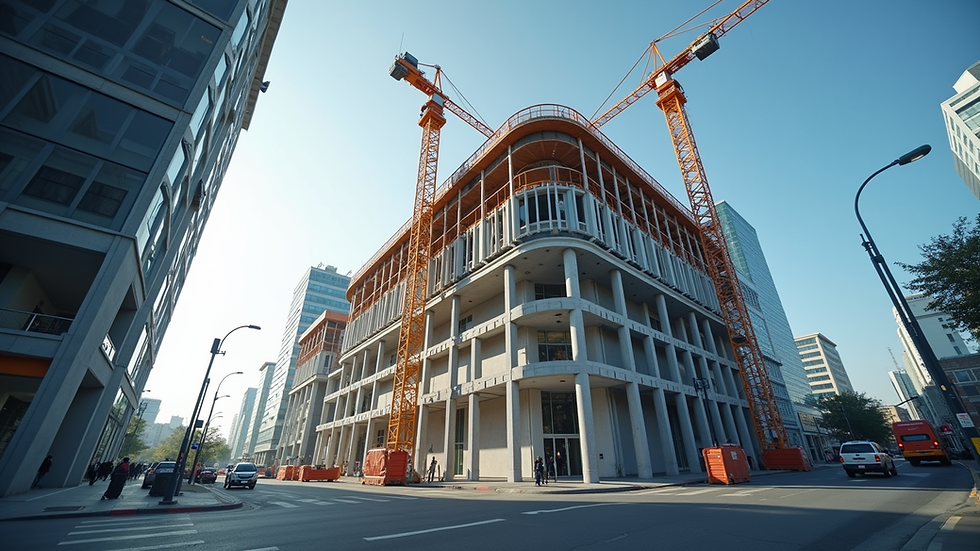
What is a commercial building feasibility study?
You might wonder, what exactly does a commercial building feasibility study entail? Simply put, it’s a comprehensive analysis that evaluates the practicality of your proposed commercial building project. This study combines market research, financial analysis, and technical assessments to provide a clear picture of your project’s potential.
For example, if you’re considering a mixed-use development, the study will assess if the local market can support retail, office, and residential spaces simultaneously. It will also examine construction costs, potential income, and any environmental or regulatory hurdles.
The goal is to give you a detailed report that highlights risks, opportunities, and recommendations. This way, you can make informed decisions, whether that means moving forward, adjusting your plans, or even reconsidering the project altogether.
Key Components of a Feasibility Study for Buildings
Breaking down the study into its core parts helps you understand what to expect and how to prepare:
Site Analysis
This involves evaluating the physical characteristics of the land. Is the soil stable? Are there any environmental concerns? How accessible is the location? For instance, a site prone to flooding might require additional engineering solutions, increasing costs.
Market Analysis
Here, you assess the demand for your building’s intended use. If you’re planning a new office complex, what’s the vacancy rate in the area? Are businesses expanding or downsizing? This data helps predict occupancy rates and rental income.
Financial Analysis
This is where numbers come into play. You’ll look at construction costs, operating expenses, financing options, and projected revenues. A solid financial model will show your break-even point and potential profitability.
Legal and Regulatory Review
Zoning laws, building codes, and permits can make or break your project. Understanding these early prevents costly redesigns or delays.
Technical Feasibility
Can your design be built with available technology and materials? Are there any engineering challenges? This part often involves architects, engineers, and contractors.
By covering these areas, the feasibility study provides a holistic view of your project’s chances for success.

How to Use the Results of a Feasibility Study Effectively
Once you have the study’s findings, what’s next? The value lies in how you apply this knowledge. Here are some practical steps:
Refine your project scope: Maybe the study shows that a smaller building or different layout is more viable. Adjust your plans accordingly.
Secure financing: Lenders and investors appreciate detailed feasibility studies because they reduce risk.
Plan your timeline: Understanding potential regulatory hurdles or construction challenges helps you set realistic deadlines.
Engage stakeholders: Use the study to communicate with partners, future tenants, or community members.
Mitigate risks: Identify potential problems early and develop contingency plans.
Remember, a feasibility study is not a one-time task. It’s a living document that can evolve as your project progresses and new information emerges.
Tips for Conducting a Successful Feasibility Study
If you’re considering commissioning a feasibility study, here are some tips to get the most out of it:
Choose experienced professionals: Look for architects, planners, and analysts with a track record in commercial projects.
Be clear about your goals: The study should align with your vision and business objectives.
Gather accurate data: Reliable market and financial data are the backbone of a good study.
Stay involved: Don’t just hand over the project. Engage with the team, ask questions, and provide feedback.
Use technology: Tools like 3D modeling and financial software can enhance the study’s accuracy.
By approaching the feasibility study thoughtfully, you set your project up for success from the start.
Moving Forward with Confidence
Embarking on a commercial building project is a significant investment of time, money, and energy. A well-executed commercial building feasibility study is your best ally in navigating this complex process. It equips you with the insights needed to make smart decisions, avoid pitfalls, and ultimately create a building that meets your needs and stands the test of time.
So, before you break ground, take the time to explore every angle. Your future self - and your budget - will thank you.


Comments